From difficult goodbyes to learning when to step away from frustration, Alena Voysey, Director of Early Learning, reflects on how self-control and emotional regulation develop over time through relationships, trust and practice.
When things do not go our way, it can be hard to gather ourselves and move forward. This is something I see every day in our Early Learning Centre and Pre-Kindergarten programs.
“I’m not ready to say goodbye to Mum or Dad.”
“I want to keep playing.”
“I don’t like that person so close to me.”
“Children do not always communicate with words; they more often communicate through behaviour.”
Sometimes those behaviours are easy to understand, other times they are more complex. Our teachers and educators use their knowledge and experience to interpret, support and respond. Sometimes we can do this independently, sometimes we collaborate with colleagues, and at other times we work closely with families, the people who know their children best.
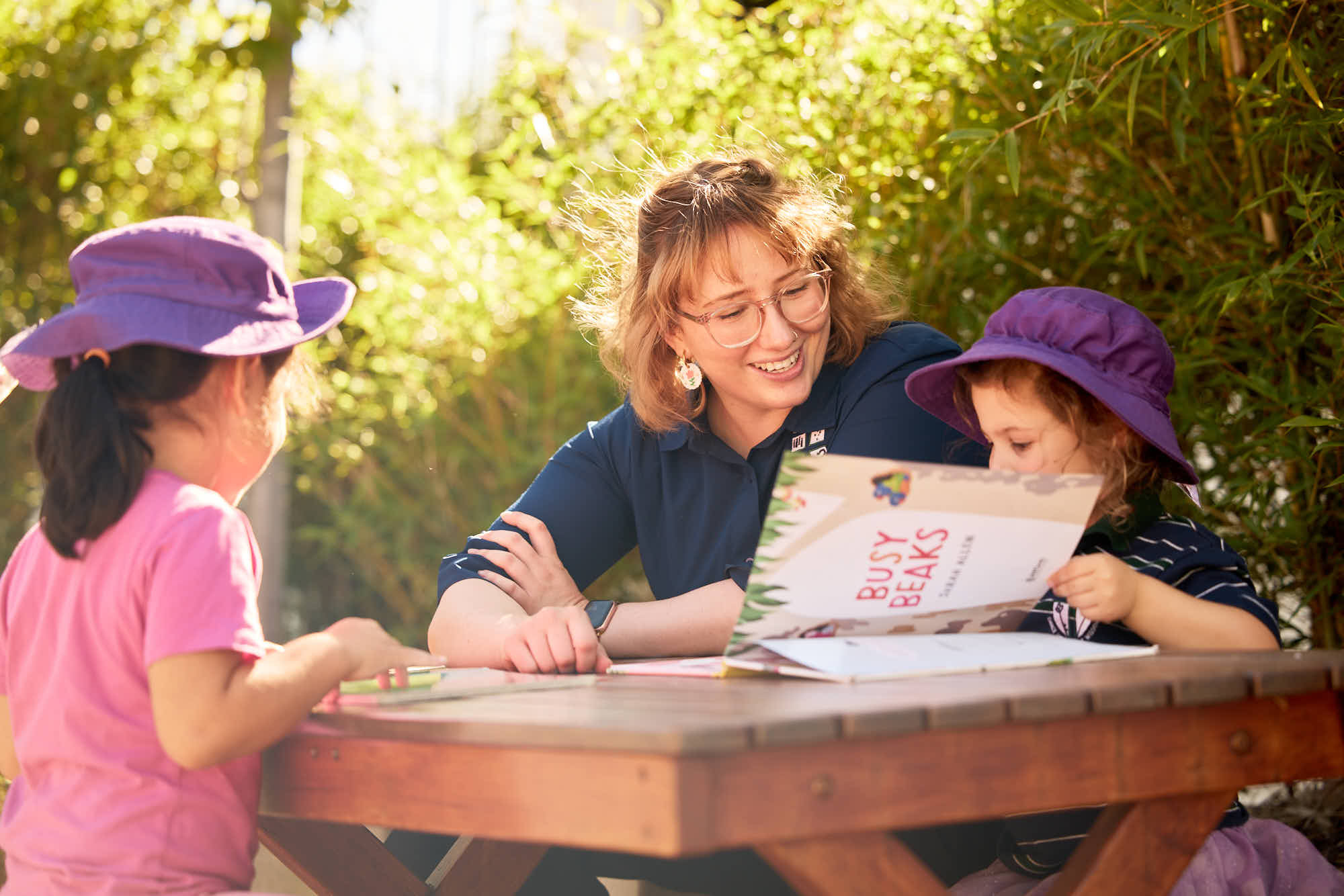
Recognising when children need support, and scaffolding that support carefully, helps adults begin to develop co-regulation skills with children, the building blocks of self-regulation.
Within our early childhood settings, teachers and
educators provide children with opportunities to practise self-regulation
through role modelling, play and games, using both intentional and spontaneous
experiences.
“Children do not get it right all the time, but then neither do we as adults. No one does. That is why practice is important.”
Children practise waiting for their turn, seeking support from someone they trust through a cuddle, holding hands or an encouraging smile, and learning when to move away from situations that are overwhelming or upsetting. These everyday moments help children gradually develop self-control and emotional regulation.
One of the most powerful tools teachers and educators use to support this development is the relationships we build with children and families.
Knowing and understanding the children we work with helps build security, confidence and trust. It means recognising the face a child makes when something is not right, understanding routines and cues when tiredness starts to appear, and noticing attempts to use strategies that almost worked, but not quite.
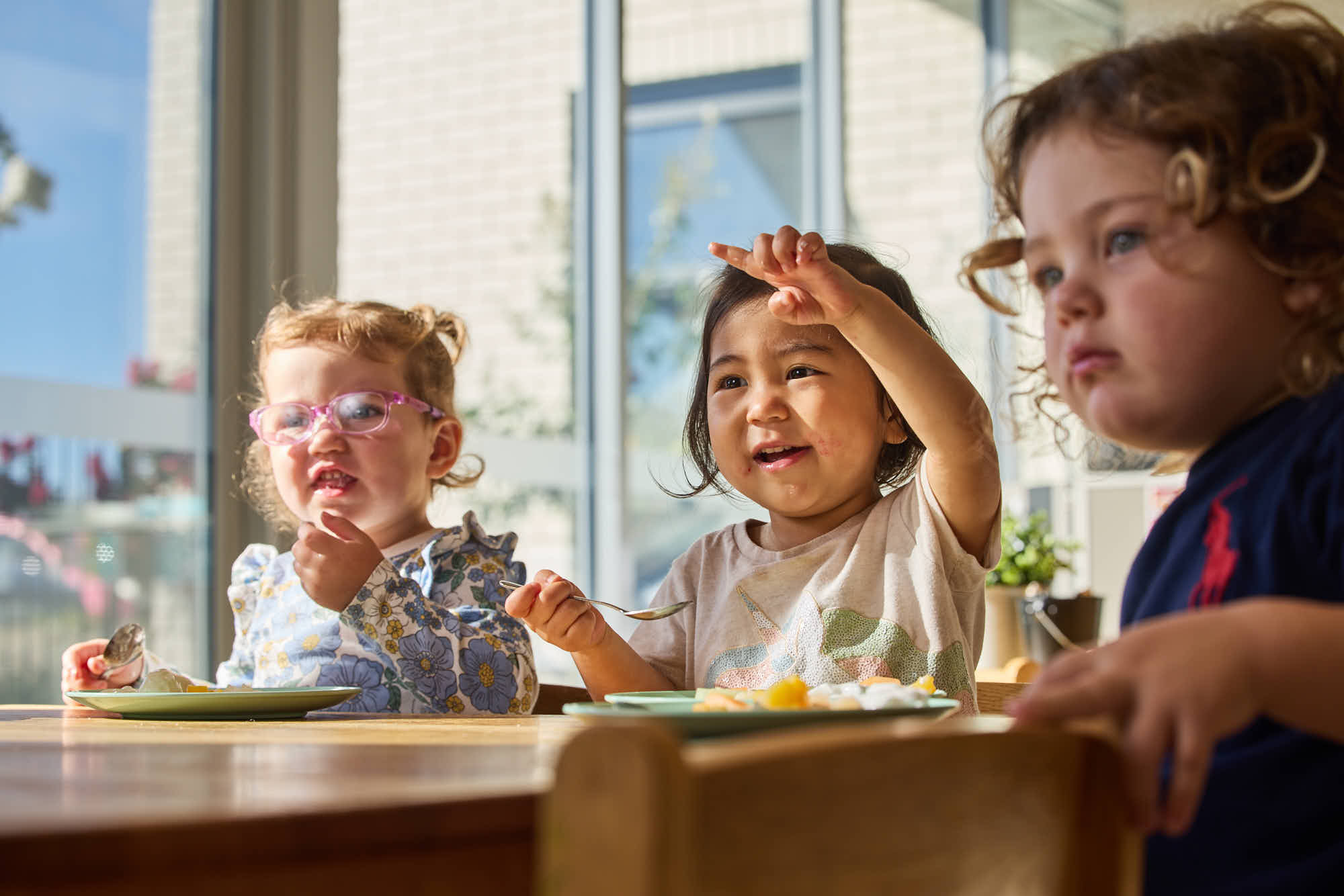
Providing predictable rhythms to the day and being a familiar, welcoming face each morning all contribute to these relationships. Just as importantly, those relationships extend beyond the child to their family. Together, we celebrate the small milestones, a smooth drop-off, a long sleep, a second serve of lunch, or the shy smile, wave or enthusiastic “hello” that grows as confidence develops.
Like all skills, children develop self-control and emotional regulation at different ages and stages. They each bring their own strengths and challenges. As these skills strengthen, children become increasingly ready for more structured learning environments where expectations and social interactions become more complex.
Childhood is not a race, but a journey. Developing self-control and emotional regulation takes time, support and practice, but these foundational skills help children build confidence, resilience and readiness for the future.