At the end of last year my mother-in-law passed away. When joining with the family to write her eulogy there was a prevailing theme. She was a hero to my father-in-law. Not because she served her country in uniform, but because she had stood beside him while he did. He repeatedly stated that she deserved a medal for raising their sons, nursing his wounds, moving around the country and always supporting him. But was she a hero?
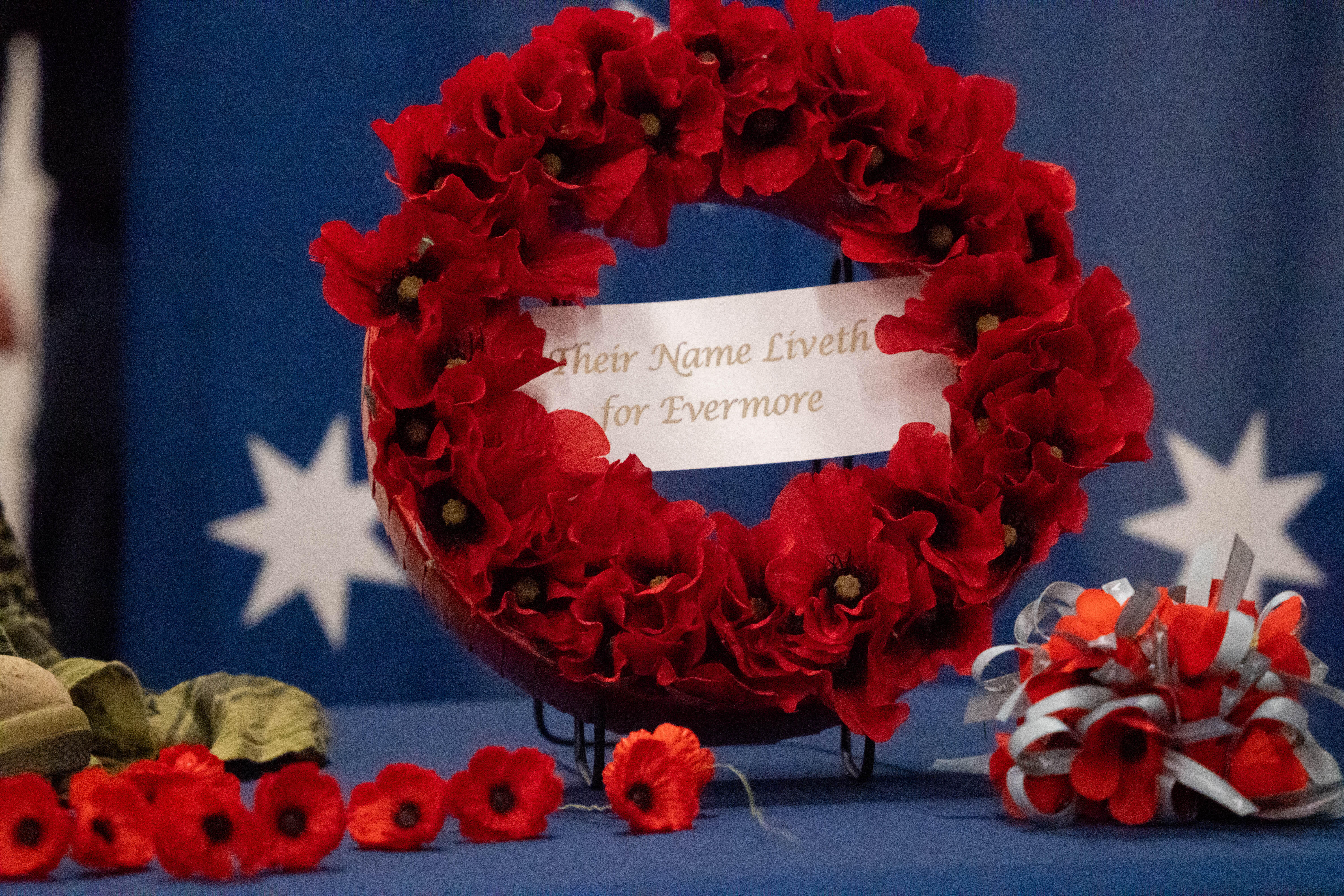
As we spend time at ANZAC services, it is worth contemplating what the term ‘hero’ means to you. There is no doubt that we show enormous regard for those we honour at these services. They fought for the freedom we enjoy today. They left their families, their friends and their lives behind for the good of others.
These ceremonies give us a specific moment to show our gratitude for their sacrifice, and our students always demonstrate great respect during this time. But that acknowledgement should extend beyond just one hour once a year.
“To me, being a hero is about risking your life for others.”
At Burgmann, we seek to build a mindset of sacrifice for others through many aspects of school life. Our foundation in the life of Jesus Christ reflects the ultimate example of giving of self for the sake of others. This is also reflected in the way we engage in fundraising and service, encouraging students to think of others first. Programs such as Ginninderra and the Duke of Edinburgh Award include many hours of volunteering, not only to support others, but to help develop this mindset in our young people.
The idea is central to our Burgmann Contribute Key, that my actions and voice contribute to a better community and world. I am not sure that makes us all heroes though. Not yet anyway.
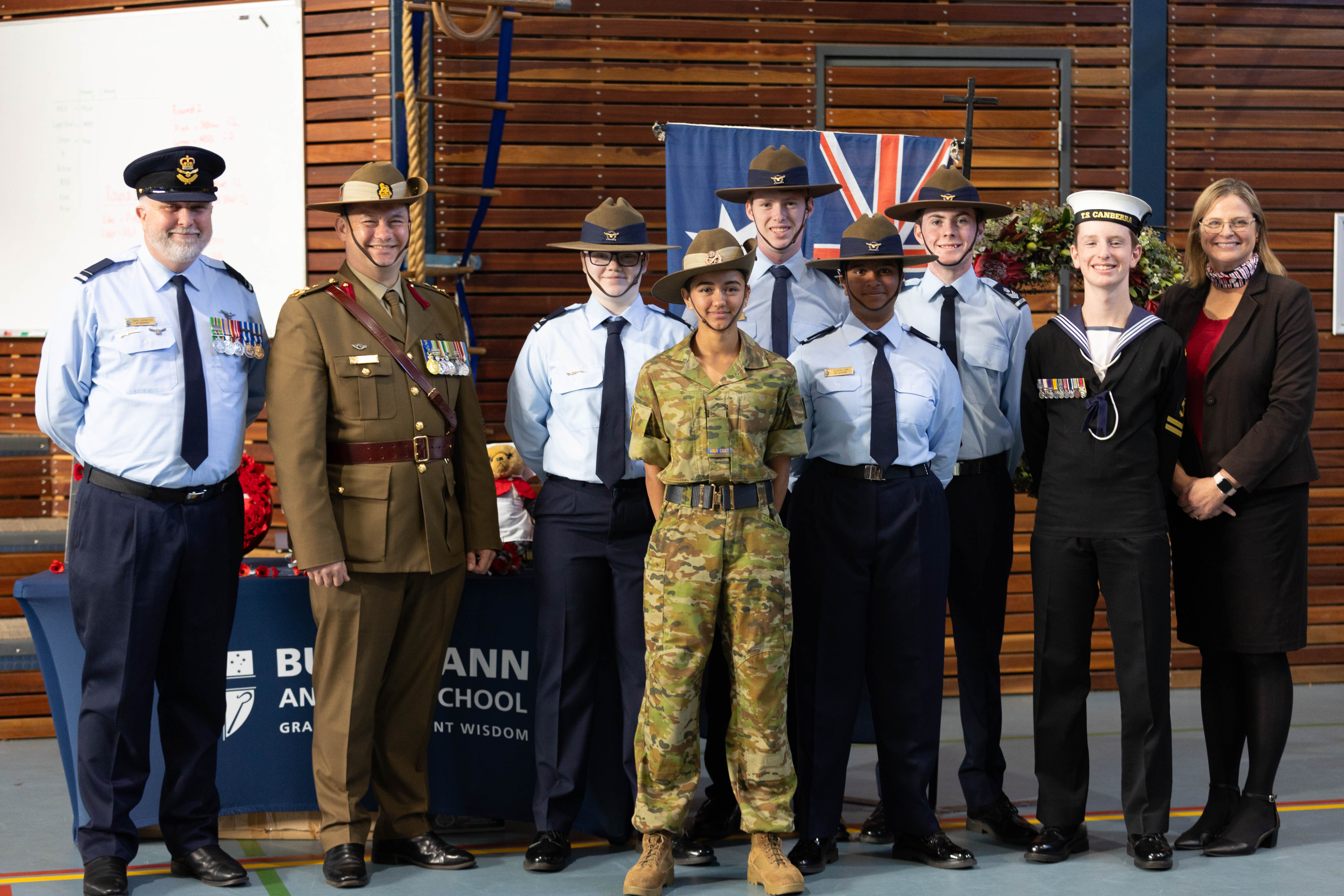
I do find myself questioning how the word ‘hero’ is used more broadly. Is a sportsperson who has a single-minded focus on being the best they can be at their sport a hero? They have certainly made sacrifices, but largely for their own gain. We may admire their achievements, but are they heroes?
“We may admire their achievements, but are they heroes?”
As we stand at ANZAC services, listening to the sound of the bugle and observing a minute of silence, I think it is worth reflecting on the true meaning of the word. To me, being a hero is about risking your life for others. That is what our service personnel and first responders do every day. They place themselves in harm’s way to protect others.
Respectfully, my mother-in-law was not a hero. I have deep admiration for the life she lived and the challenges she faced, but I do not believe she meets that definition. As the Last Post plays each year, I honour those who have embodied a true sacrifice for others by risking their lives so that others may live in freedom.
They are heroes to me. And yes, I will pause and reflect on her life and the challenges she faced that enabled my father-in-law to be a true hero, risking his life so that others could live theirs.
As I look out at the young people before me at these services, often through tears as I remember friends and family lost or impacted by conflict, I hope the programs and examples we provide at Burgmann inspire our students to develop and carry this mindset into whatever their future may hold.
And I hope our community will do more than simply ‘remember them’ this ANZAC Day. I hope we honour true heroes, past and present.