In this fortnight’s Leadership Reflection, Kym Reid, Head of Co-curricular, reflects on the small habits that shape lifelong wellbeing. From early morning workouts on school camps to the daily choices students make about movement, he shares why building a culture of activity before students leave school matters more than ever.
Do you get at least 60 minutes of moderate to vigorous physical activity every day?
“Who’s up for a morning workout with Mr Hunter and me tomorrow, 6.30am outside Cabin 1?”
That was my evening announcement to a group of Year 11 students on camp last week. I never know who will show up, but there are always a few students mad enough to join me, alongside a colleague I’ve usually roped in as well.
Camps create moments that ordinary school days do not. Conversations are more open. Students reveal a little more about themselves, and so can we. Over the years I have realised that those early morning workouts are about more than fitness. They are about modelling habits.
“Win the morning, win the day,” my dad used to say. He lived that belief, riding his bike to work each day. Movement was not optional, it was normal.
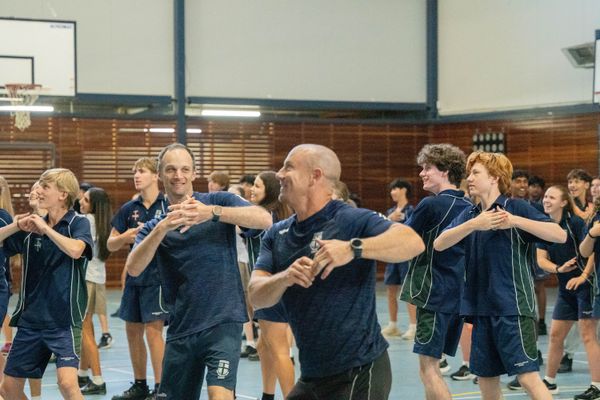
As a PE teacher, I am fortunate. Physical activity is part of my profession. Not everyone has that advantage. What I have seen, particularly in adults, is how difficult it can be to establish healthy routines later in life. Habits formed early tend to last. Habits delayed are harder to build.
That is why I see my role, especially with our senior students, as bigger than delivering curriculum. Year 10 is the final year of compulsory Physical Education. After that, participation becomes a choice.
My goal is that by the time students leave Burgmann, movement is not something they have to think about. It is simply part of who they are.
My goal is that by the time students leave Burgmann, movement is not something they have to think about. It is simply part of who they are.Kym Reid - Head of Co-curricular
National guidelines recommend at least 60 minutes of moderate to vigorous physical activity each day for teenagers. Beyond the numbers, the principle is clear. Young people need regular movement to support physical growth, mental health and cognitive performance.
Exercise improves mood, reduces stress and strengthens concentration. It can buffer anxiety and build resilience. These are not abstract benefits. They are essential tools for navigating study, relationships and life beyond school.
Movement does not need to be elite or structured. It can be team sport, gym training, swimming, dancing or a simple bodyweight circuit. What matters is consistency.
Many of our senior students are choosing gym memberships, which is generally positive. I encourage them to combine that with a team sport or organised activity for as long as possible, and try not to spend too much time looking in the mirror!
“It is far easier to build healthy habits early than to undo years of inactivity later in life.”
Rest matters too. Adequate sleep supports recovery, memory and emotional regulation. A camp morning after a late night offers an immediate lesson in what happens when rest is neglected.
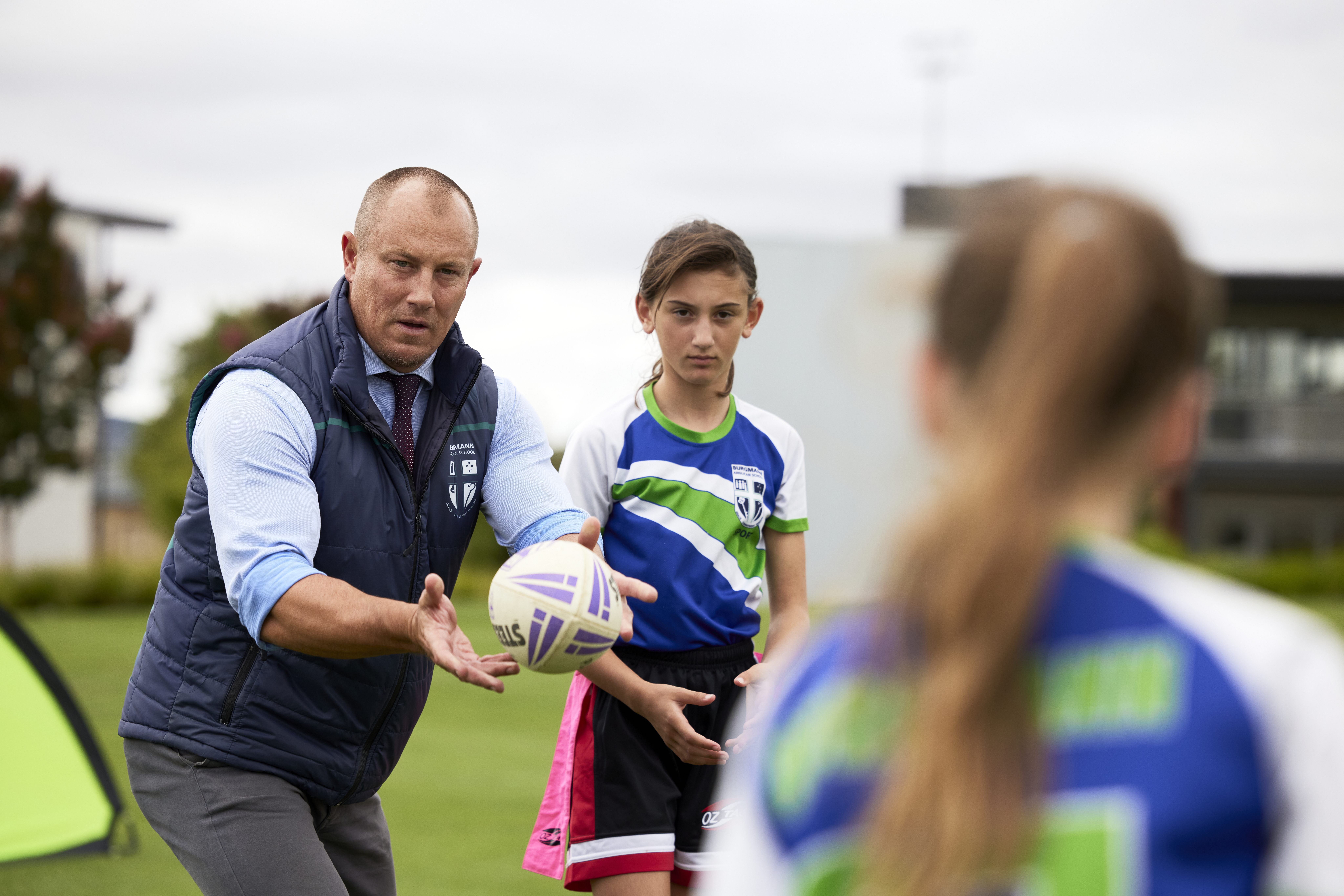
As Head of Co-curricular, part of my role is creating as many opportunities as possible for students to move, compete and challenge themselves. Through sport, trainings, carnivals and outdoor education, we aim to provide regular opportunities for students to challenge themselves physically and to discover activities they enjoy.
Healthy body, healthy mind is more than a slogan. It is a daily practice.
If students leave us with the confidence to choose movement, to prioritise rest and to care for their wellbeing, then the early mornings outside Cabin 1 will have been worthwhile.