
Junior School

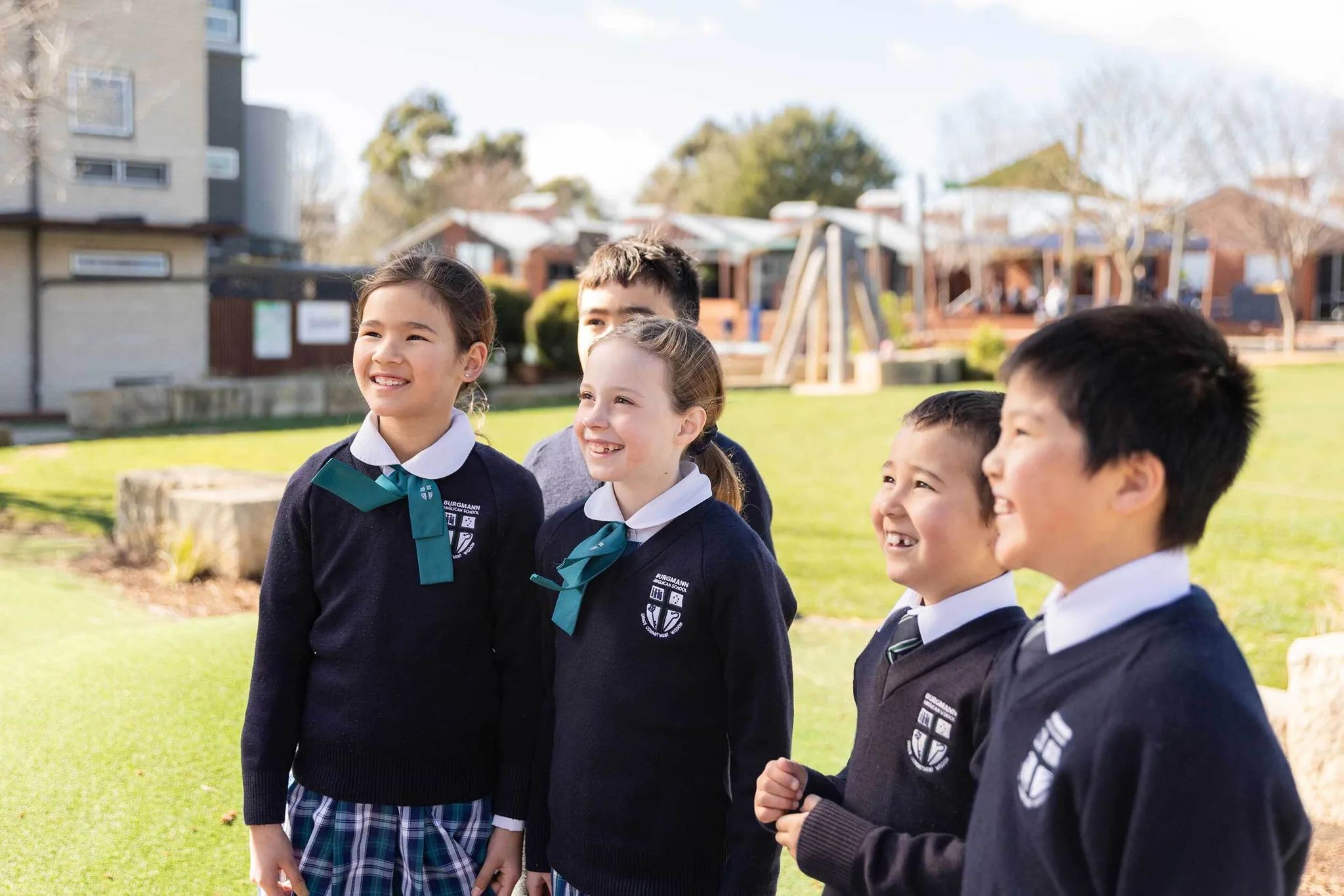
Junior School is a time of significant growth as children develop confidence, curiosity and a strong sense of belonging. At Burgmann Anglican School, students are known, valued and encouraged to engage deeply in learning and contribute meaningfully to their classrooms, the community and the world around them.
Scott Moore
Head of Junior School
Growing curiosity, confidence and connection
Junior School at Burgmann
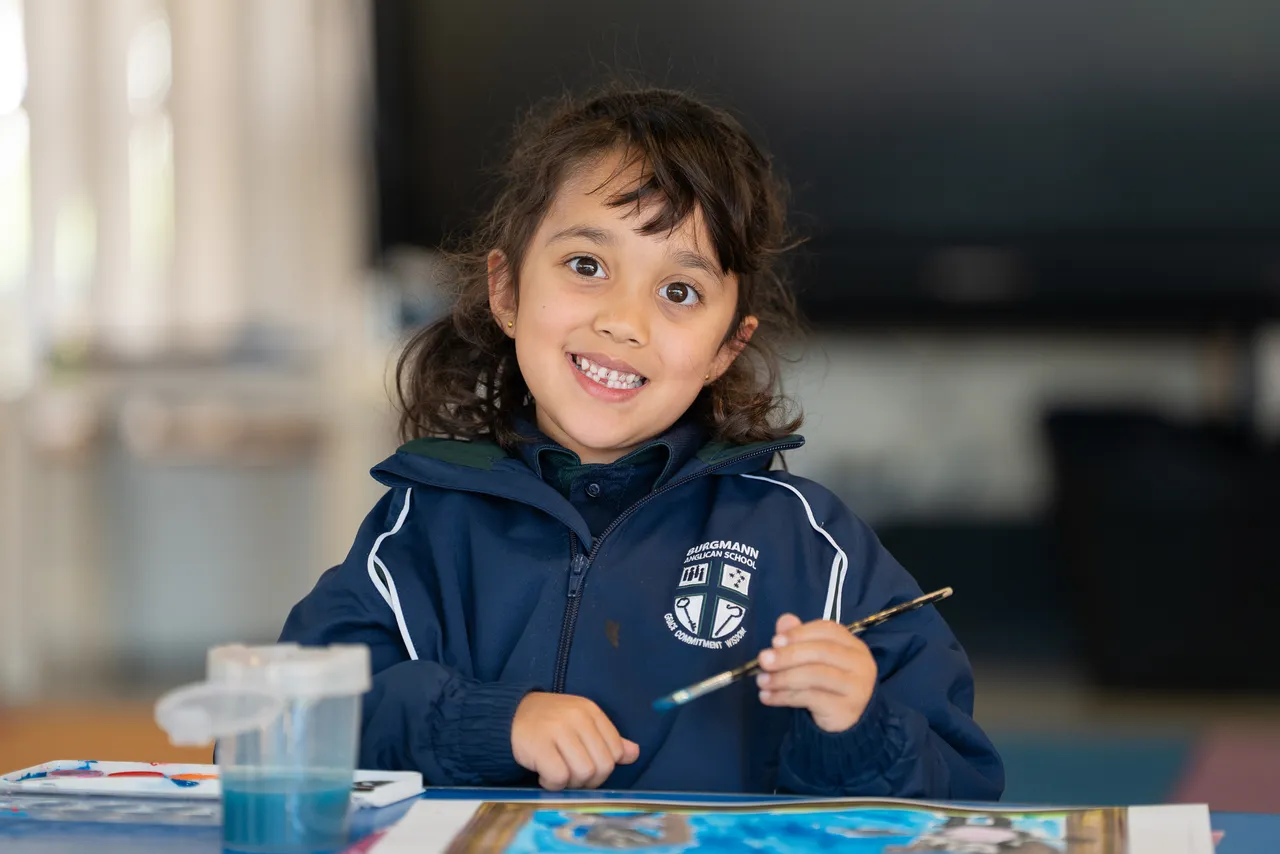
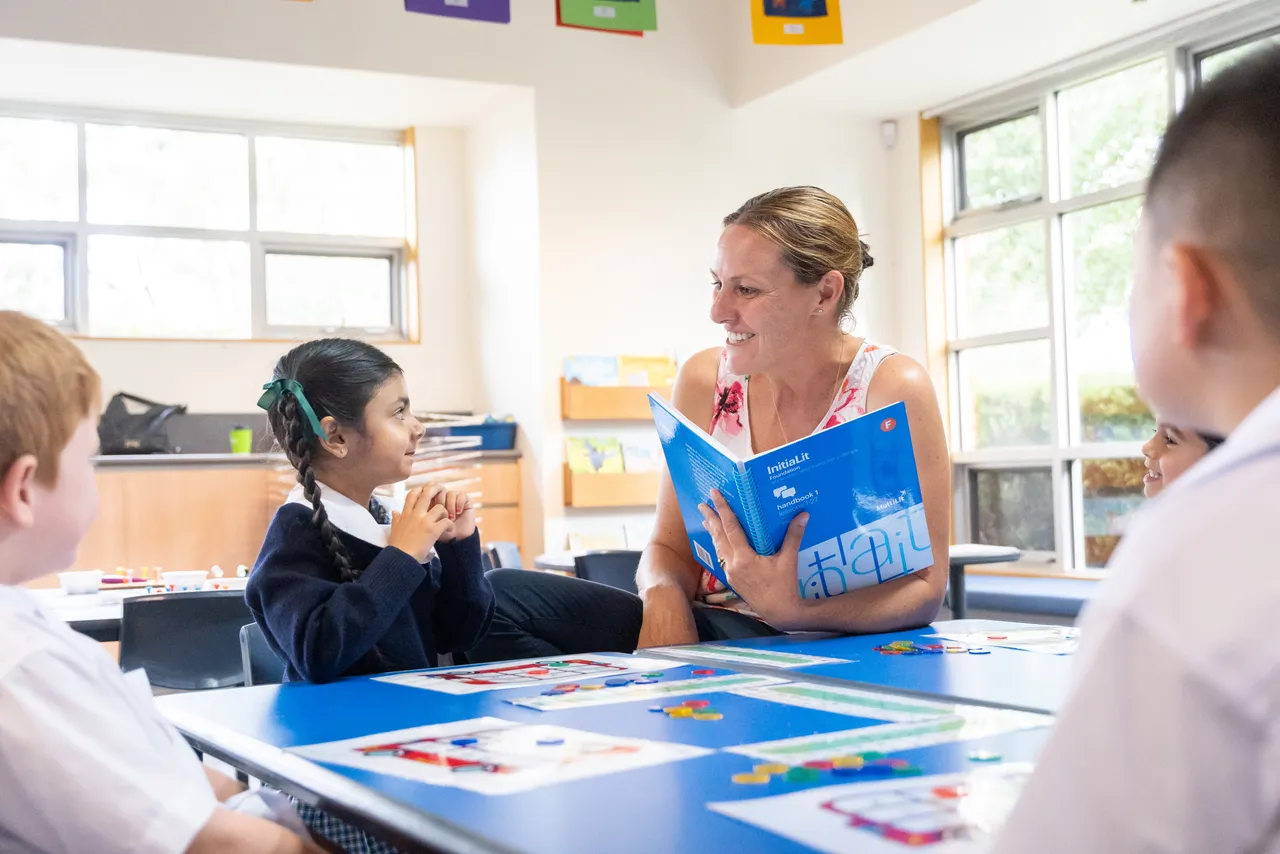
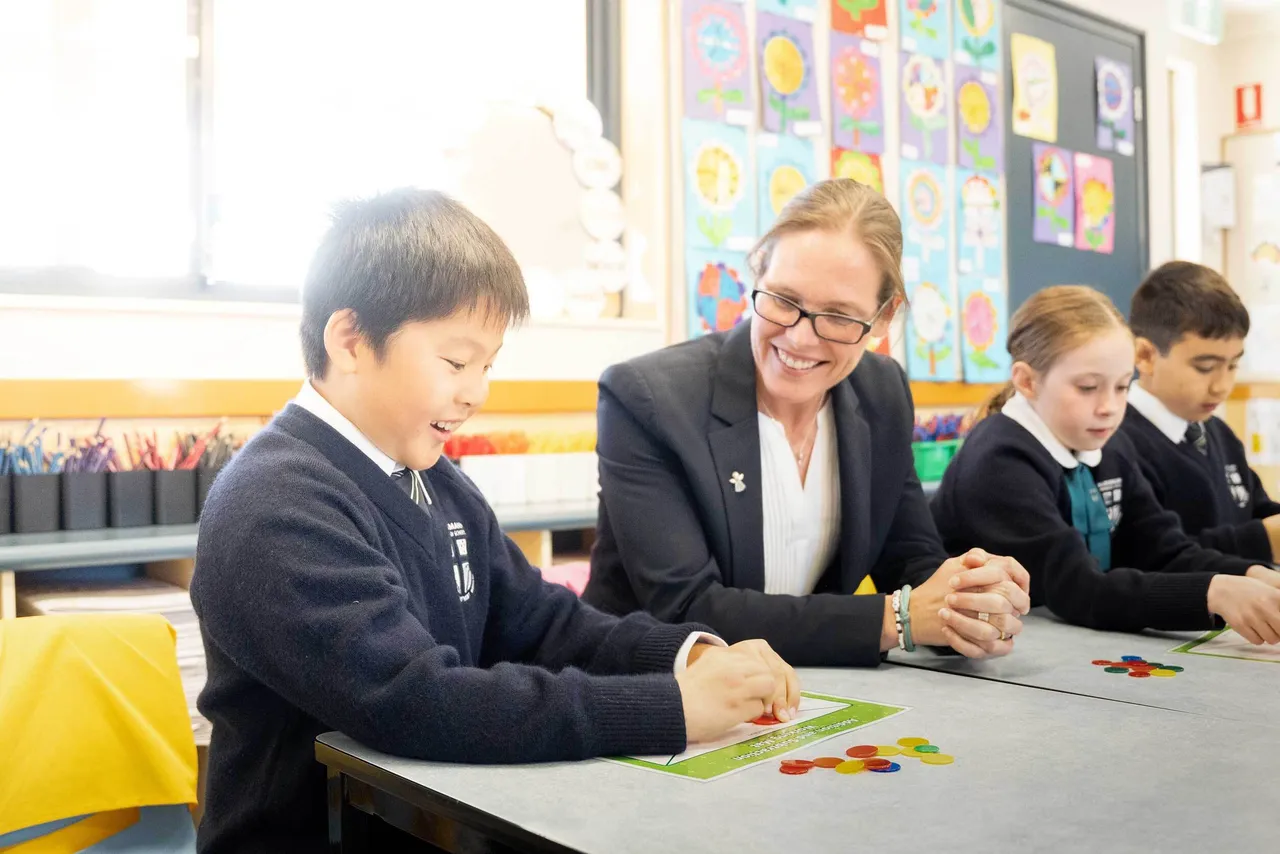
Across Kindergarten to Year 5, students build strong foundations for learning within a caring and engaging environment. Learning experiences develop literacy and numeracy skills while nurturing creativity, collaboration, resilience and independence.
Through meaningful relationships and a strong partnership between school and home, students are supported to grow academically, socially and emotionally. They are encouraged to explore their strengths, take on challenges and participate fully in the opportunities available inside and beyond the classroom.
Learning Spaces
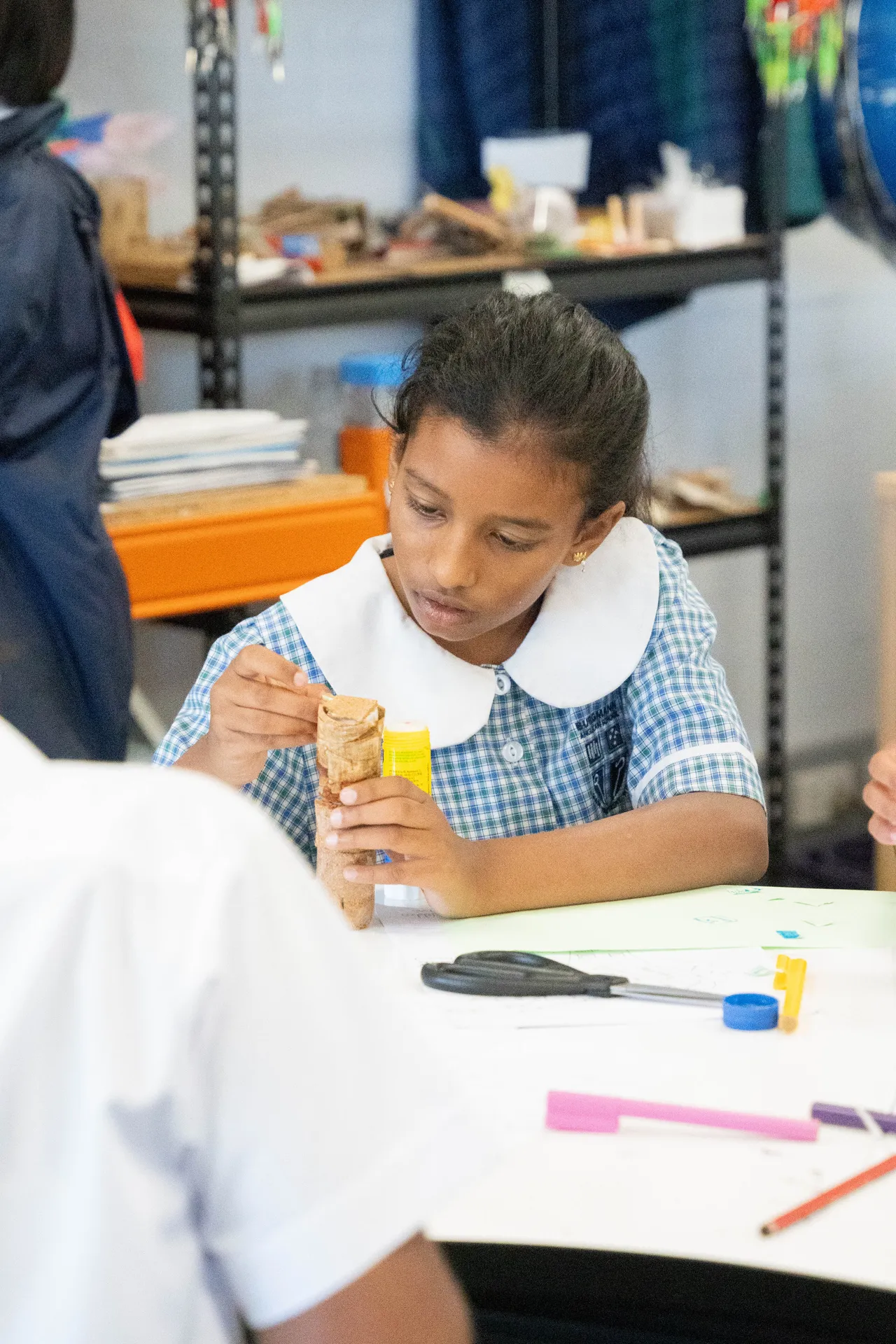
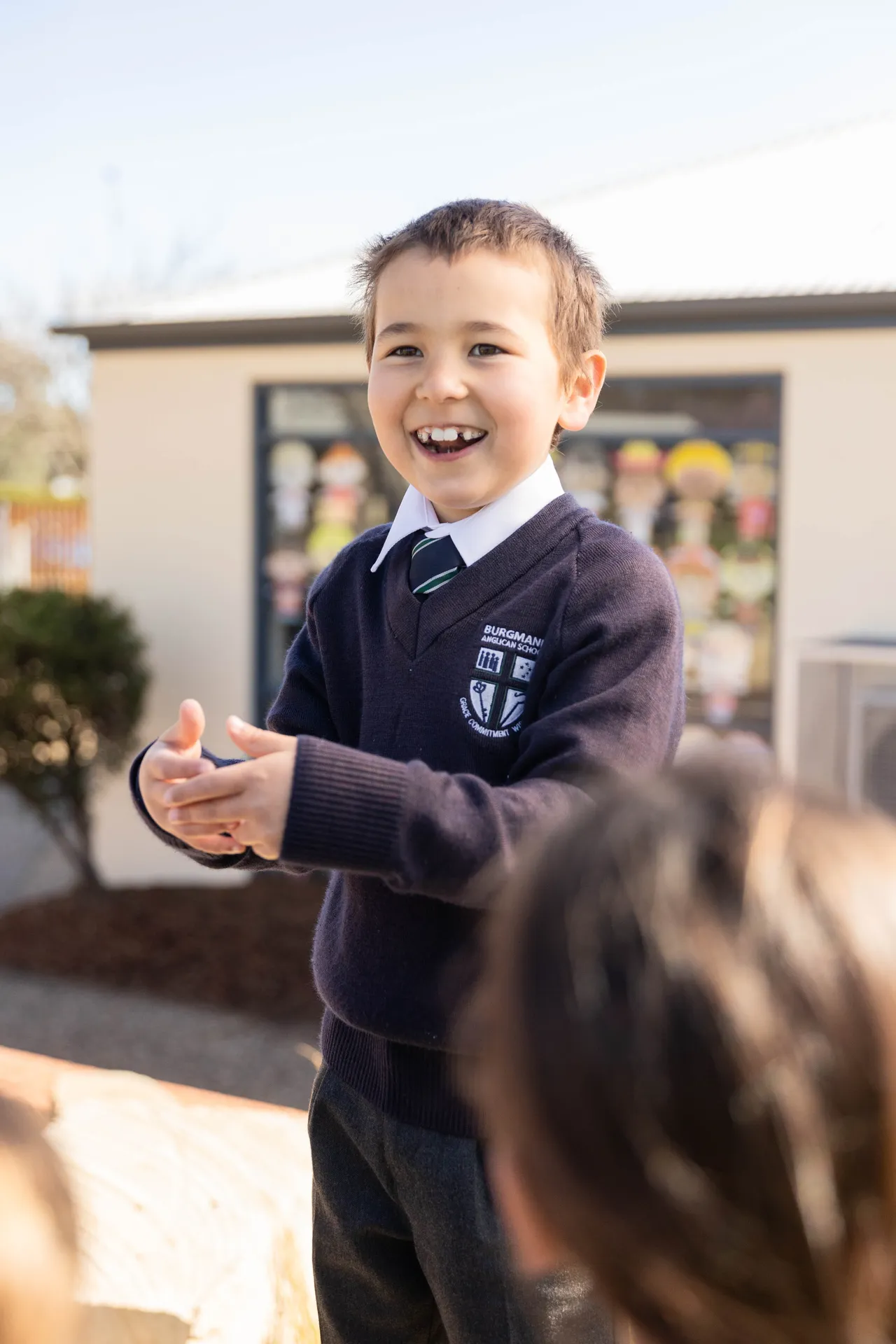
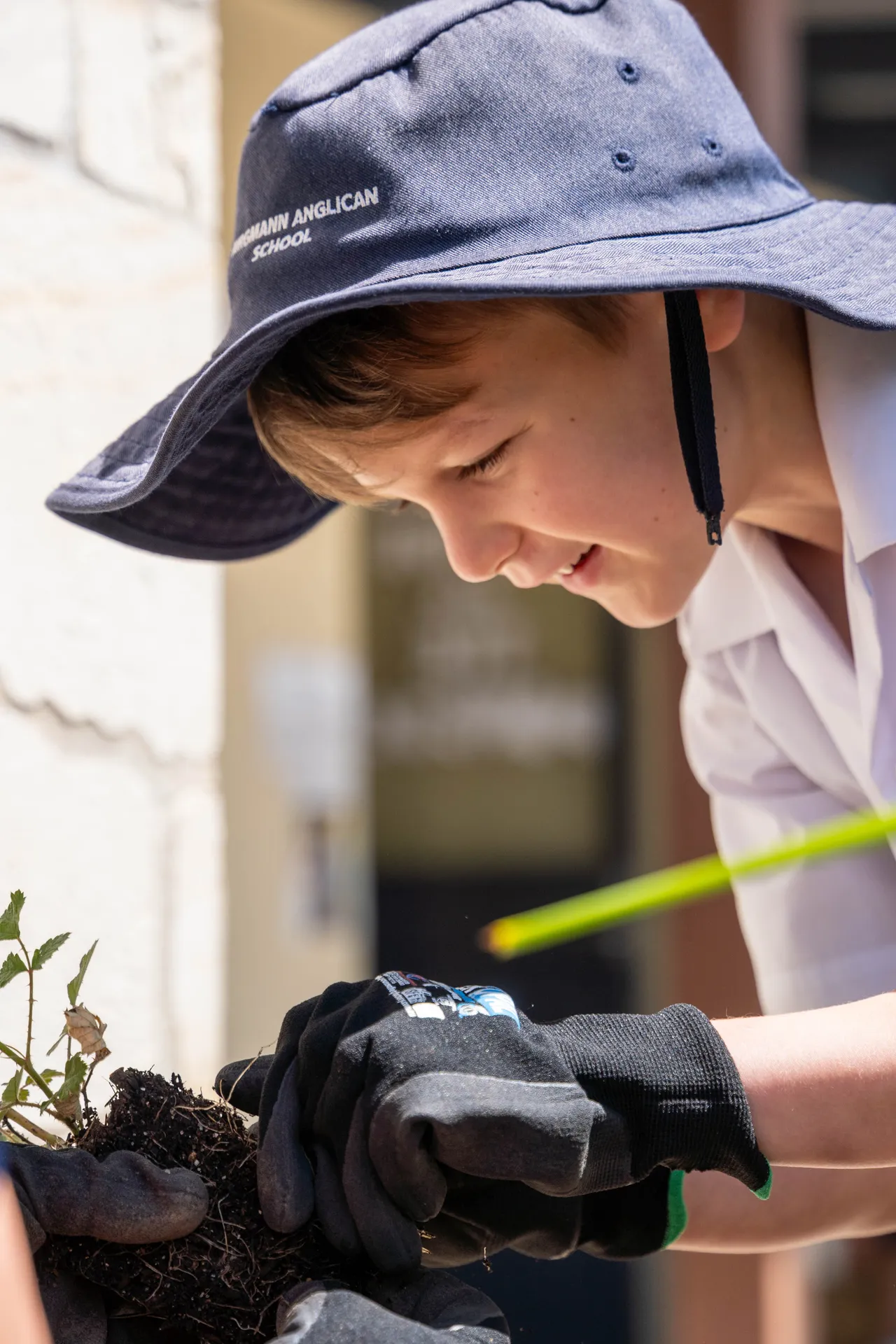
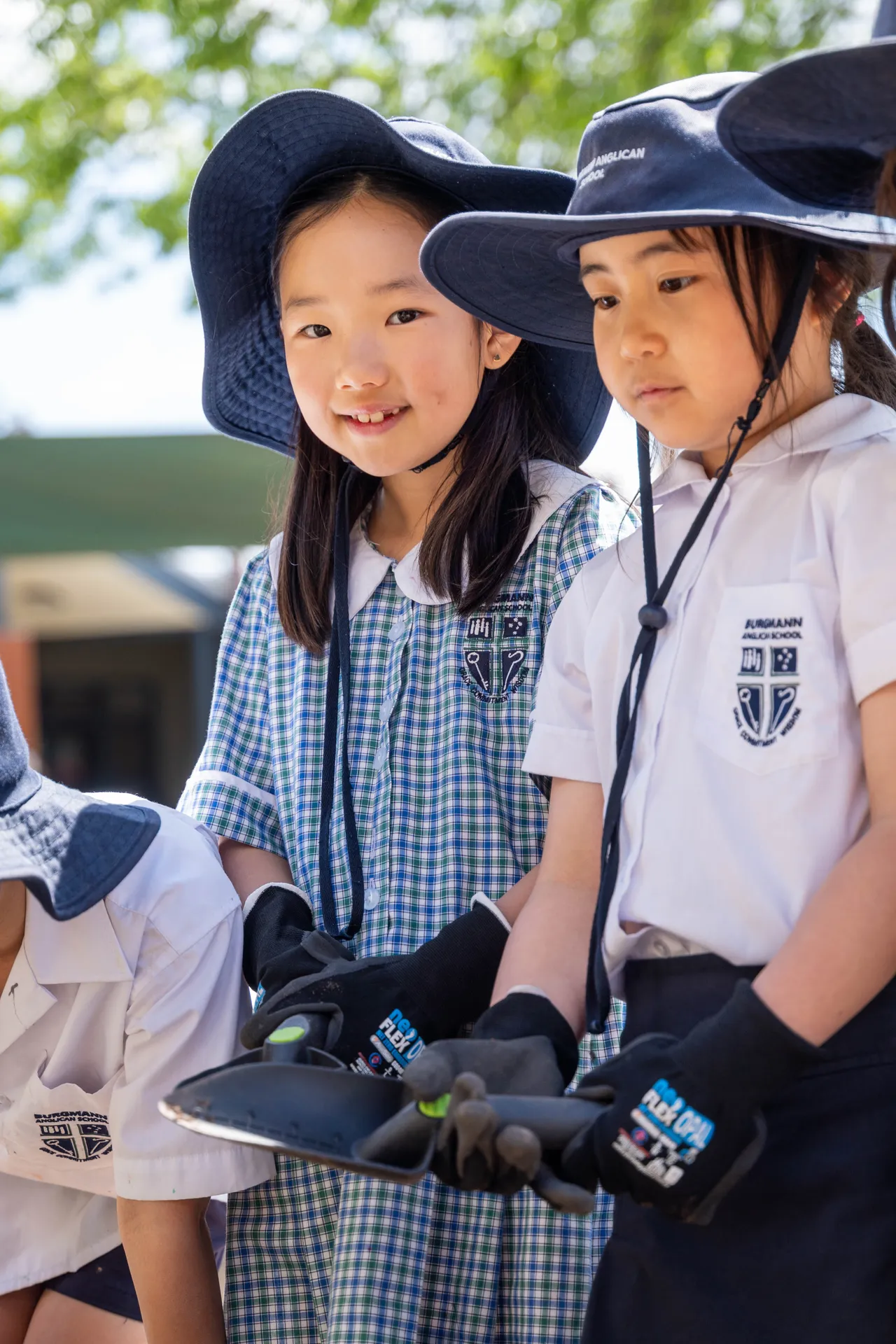
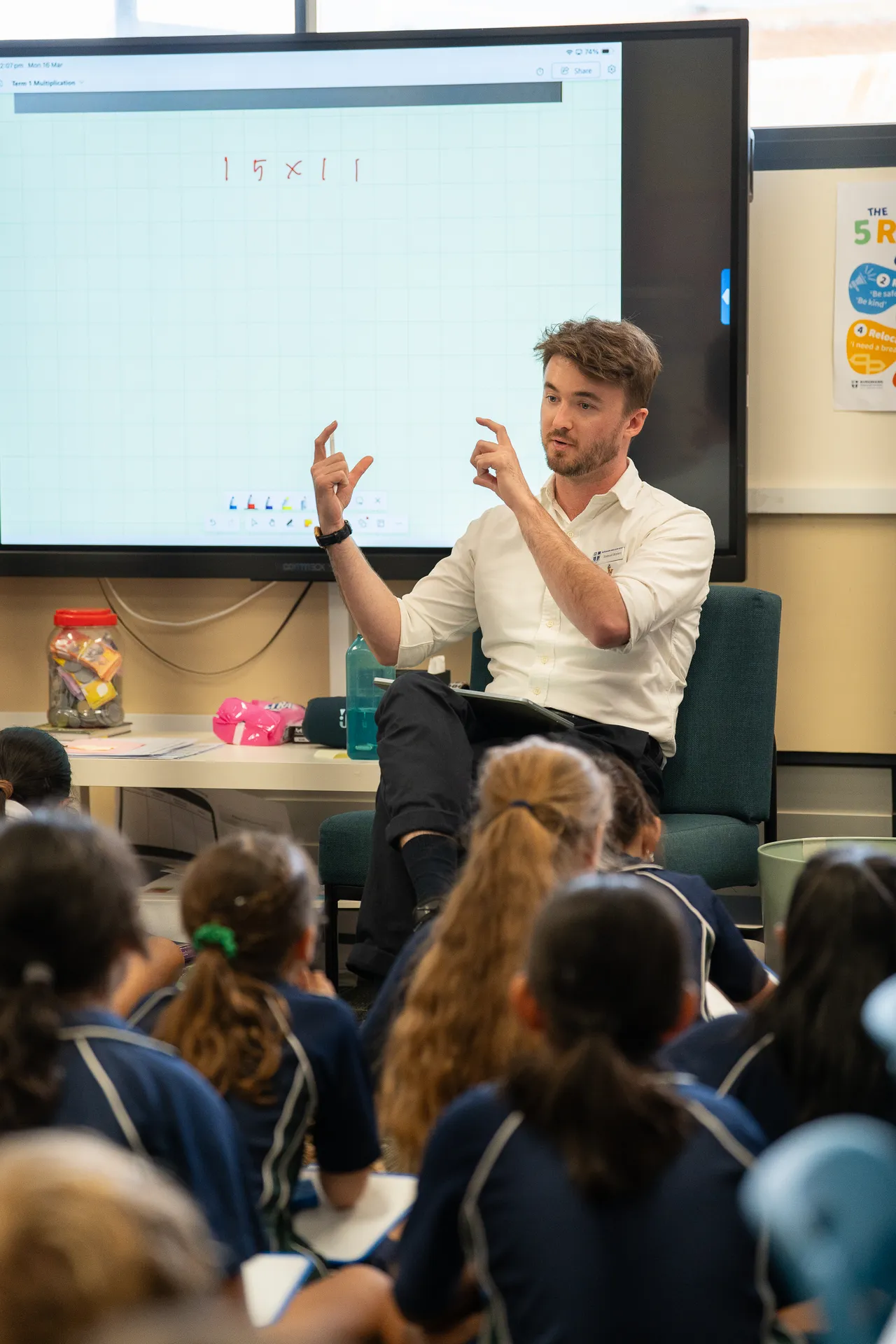
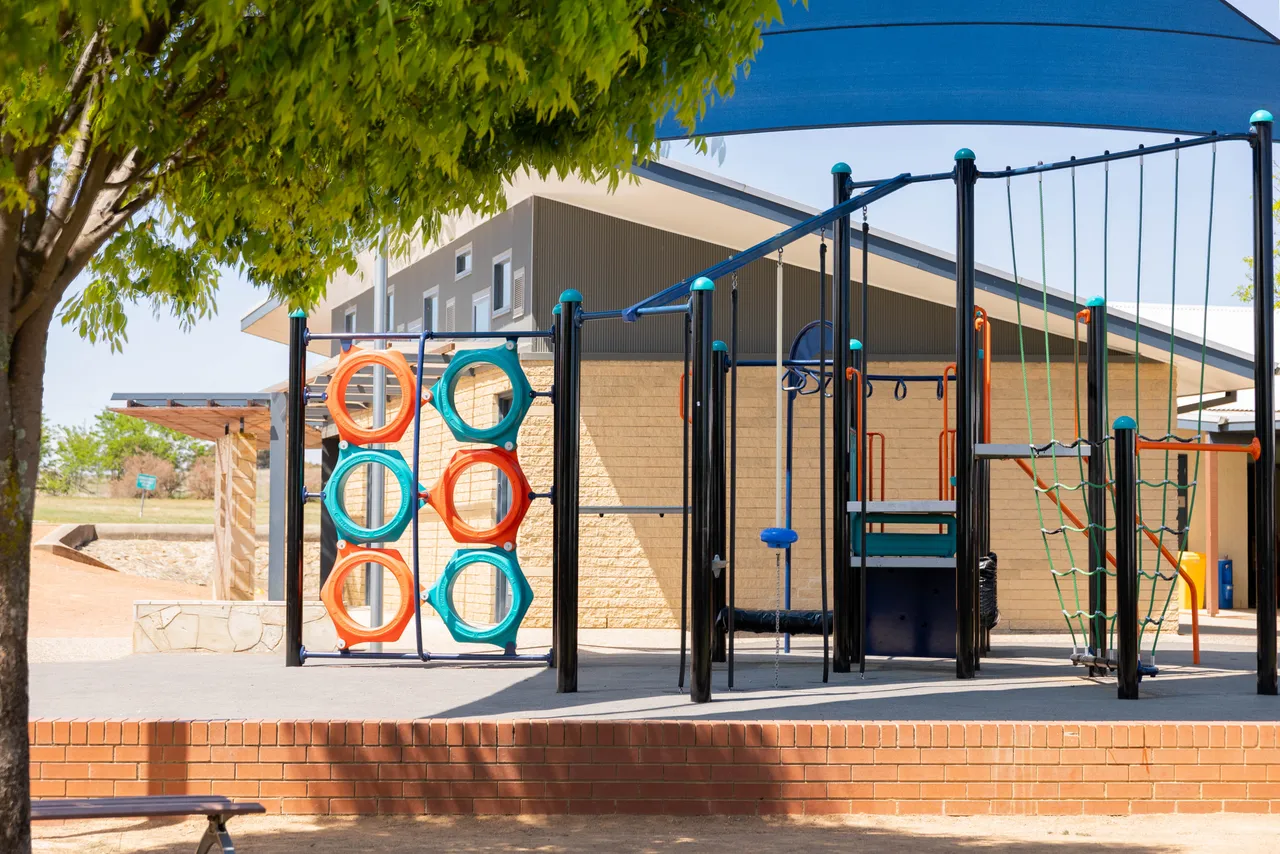
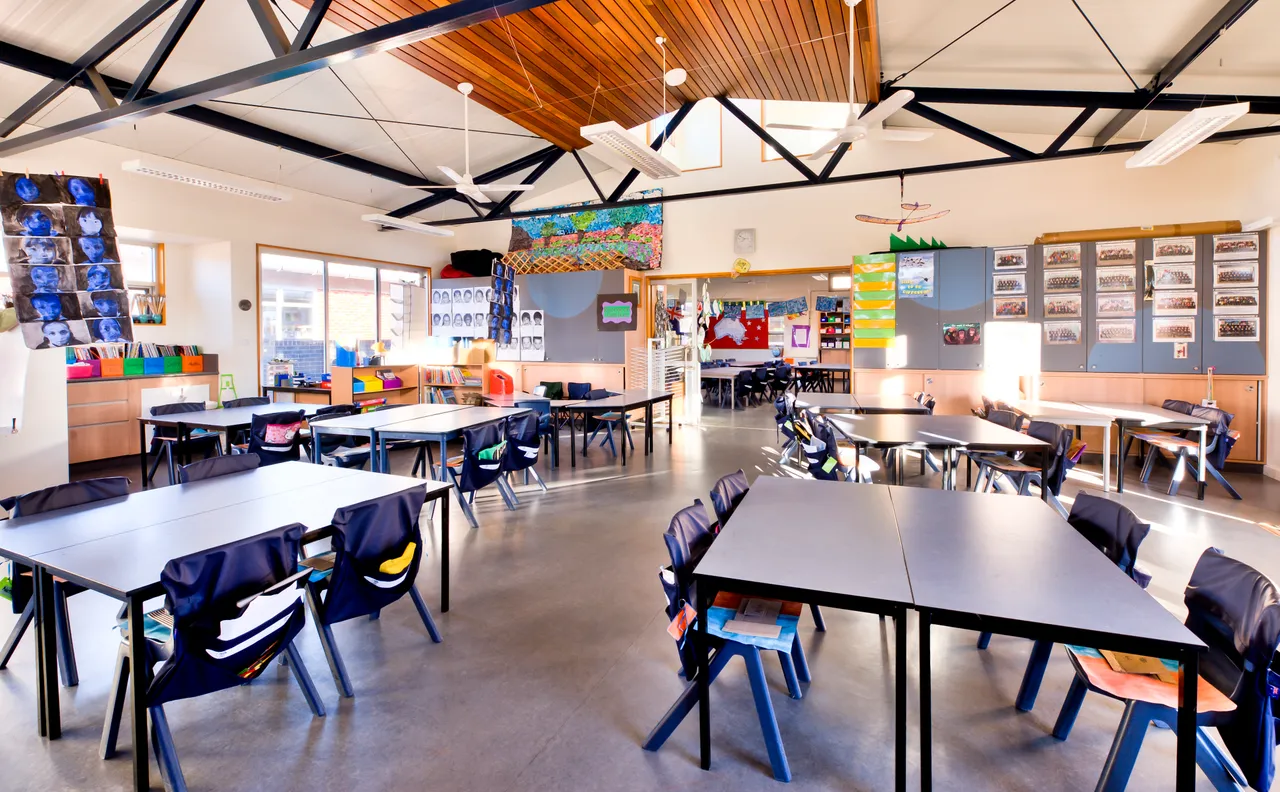
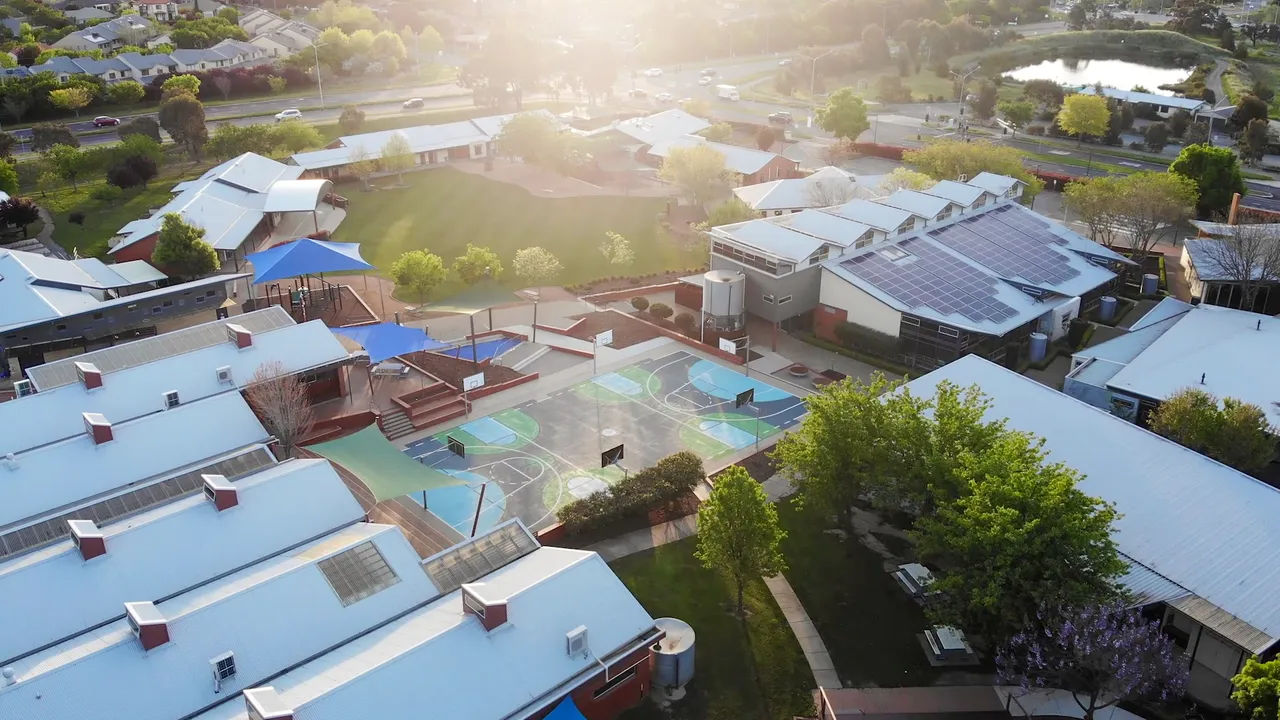
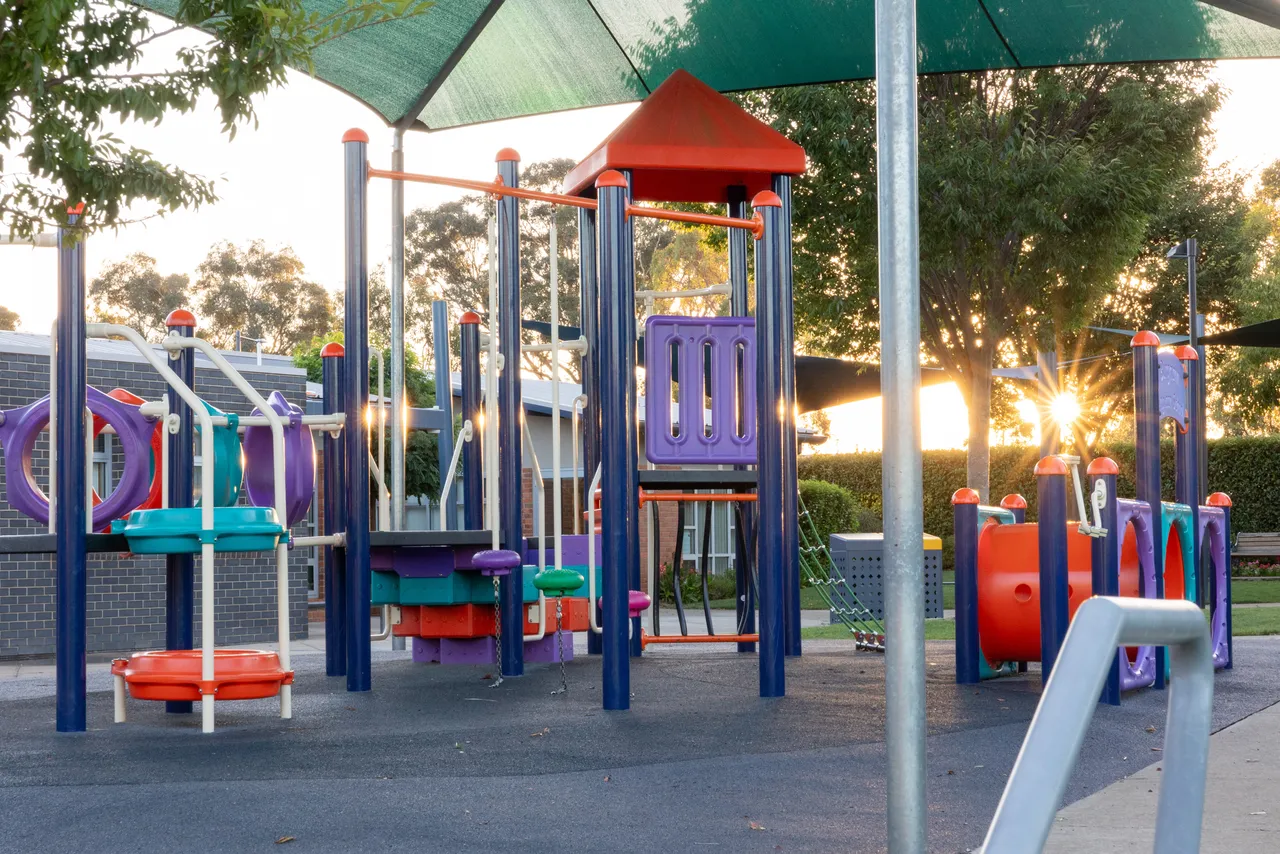
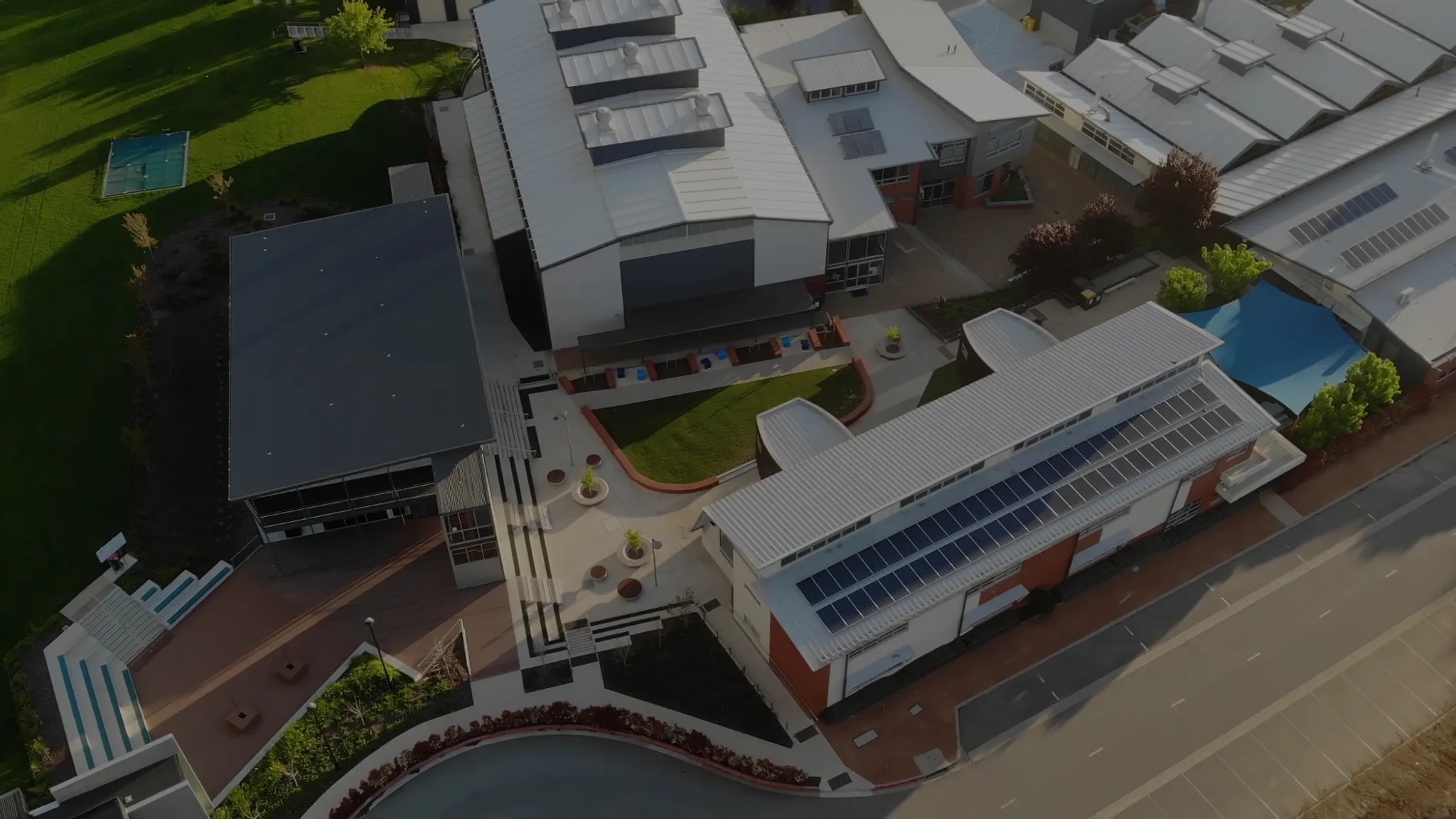
Our Junior School classrooms are a welcoming space for all students. Natural light, flexible classrooms and inviting outdoor environments help create engaging spaces where learning feels active, collaborative and connected. Junior School learning environments are designed to support both explicit teaching and opportunities for creativity, inquiry and hands-on exploration.
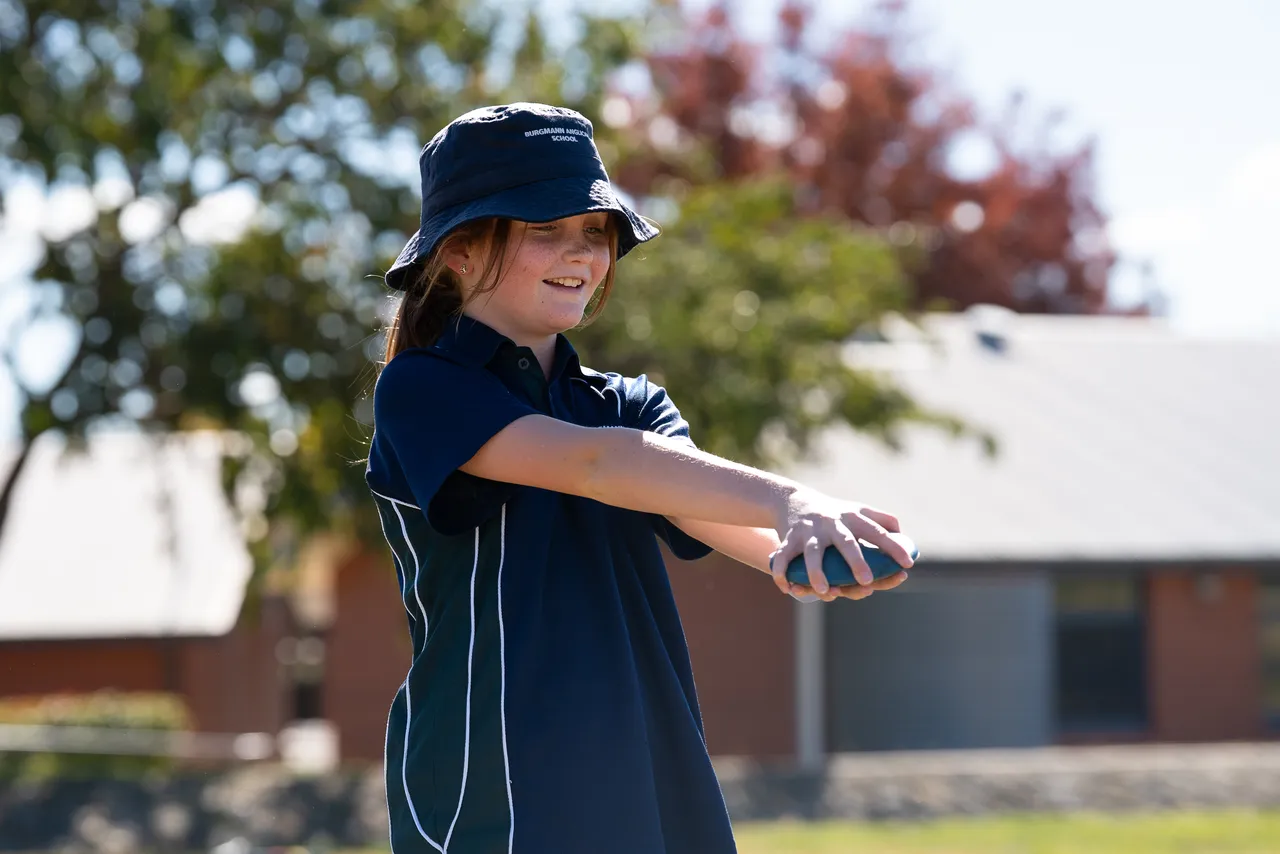
Students learn across a variety of spaces including classrooms, outdoor areas, specialist learning environments, libraries and shared community spaces. These environments encourage students to work independently, collaborate with others and engage confidently in different styles of learning throughout the day.
To learn more, visit the Our Campuses page.

What's happening in Junior School?
What year levels are included in Junior School?
Junior School includes Kindergarten to Year 5.
How are students supported in their learning?
Our teachers use evidence-based teaching practices to provide structured learning experiences that support each child's growth. Students are challenged and supported at their stage of development, building strong foundations in literacy, numeracy, communication and problem-solving within a caring classroom environment.
For more information, visit the Engagement & Care page.
What specialist learning opportunities are available?
Students participate in specialist learning in Music, Languages, Physical Education, Library and STEM (Science, Technology, Engineering and Mathematics). These programs complement classroom learning while helping students develop confidence, creativity and new skills across a broad range of disciplines.
How does the School support student wellbeing?
Wellbeing is an integral part of learning in Junior School. Through the Grow Your Mind program, strong relationships and a classroom culture where every child feels known, valued and connected, students develop the social and emotional skills to thrive at school and beyond.
For more information, visit the Wellbeing page.
How are families kept informed about learning?
The Burgmann Portal is the primary source of communication for Junior School families. It provides access to learning updates, assessment feedback, reports, classroom information and important school notices. Parent-teacher interviews and other opportunities to meet with teachers complement the information shared through the Portal.
Are co-curricular opportunities available in Junior School?
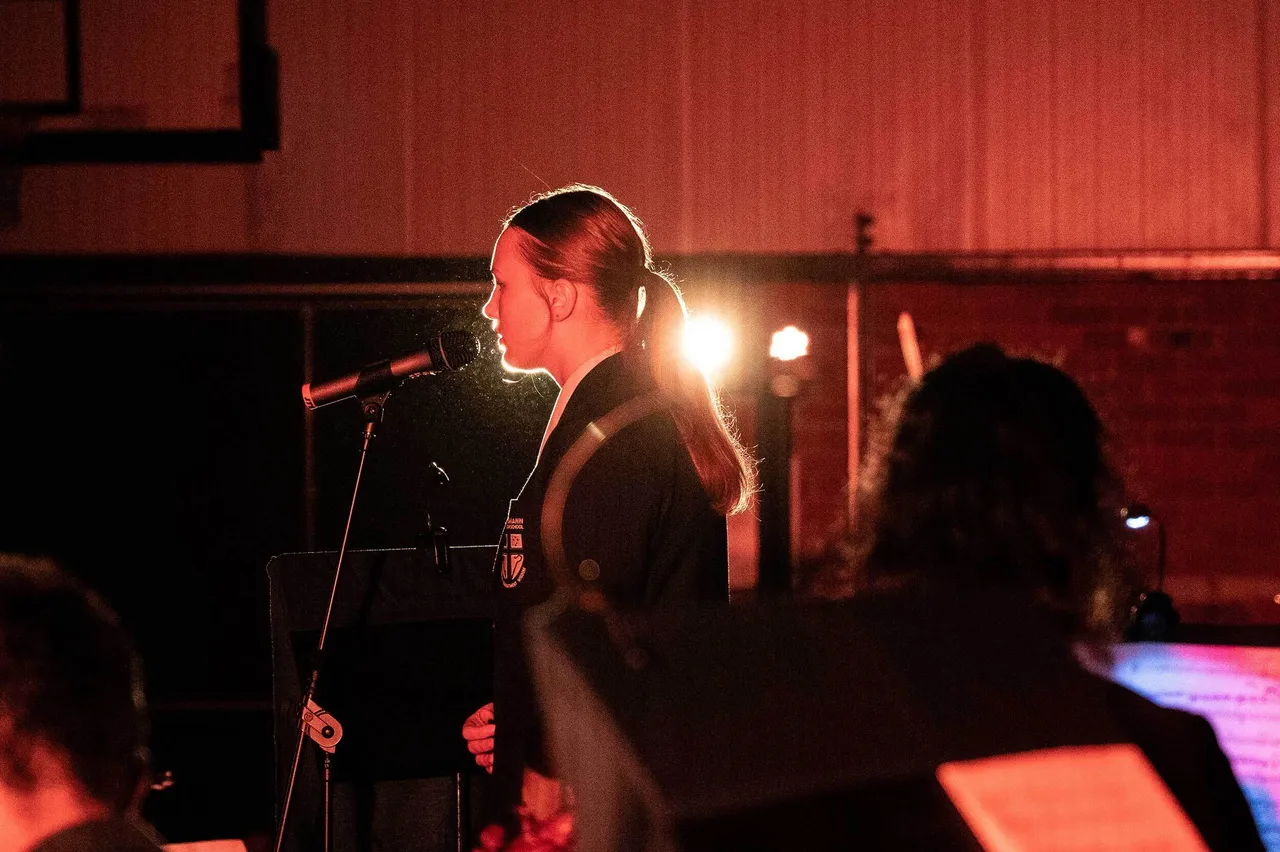
Yes. Junior School students are encouraged to participate in a wide range of co-curricular opportunities including sport, music, clubs and community activities. These experiences help students discover new interests, develop friendships and build confidence beyond the classroom.
For more information, visit the Co-Curricular page.
How does Burgmann support transition into Kindergarten?
Our transition program is designed to help children begin Kindergarten with confidence. Orientation experiences, familiarisation visits and close collaboration between our Preschool and Junior School teachers support each child's social, emotional and learning needs as they prepare for school.
What learning approaches are used in Junior School?
Learning in Junior School combines clear, structured teaching with opportunities to explore, question and apply new ideas. Students build strong foundations in literacy, numeracy and other key learning areas before extending their understanding through inquiry, collaboration, creativity and real-world problem solving.
How are positive relationships encouraged in Junior School?
Positive relationships are built through a strong classroom culture where respect, kindness and belonging are part of everyday school life. Students learn and play together, work collaboratively and are encouraged to contribute positively to their class and the wider school community.


A Co-educational Independent School located in Gungahlin, ACT.
We acknowledge the Ngunnawal peoples as the traditional keepers on the land on which we gather. We recognise and honour their wisdom and education traditions. We commit ourselves to actively working towards reconciliation, stepping forward with grace, commitment and wisdom on this journey.