
Routines of Recovery

By Leonie Harwood
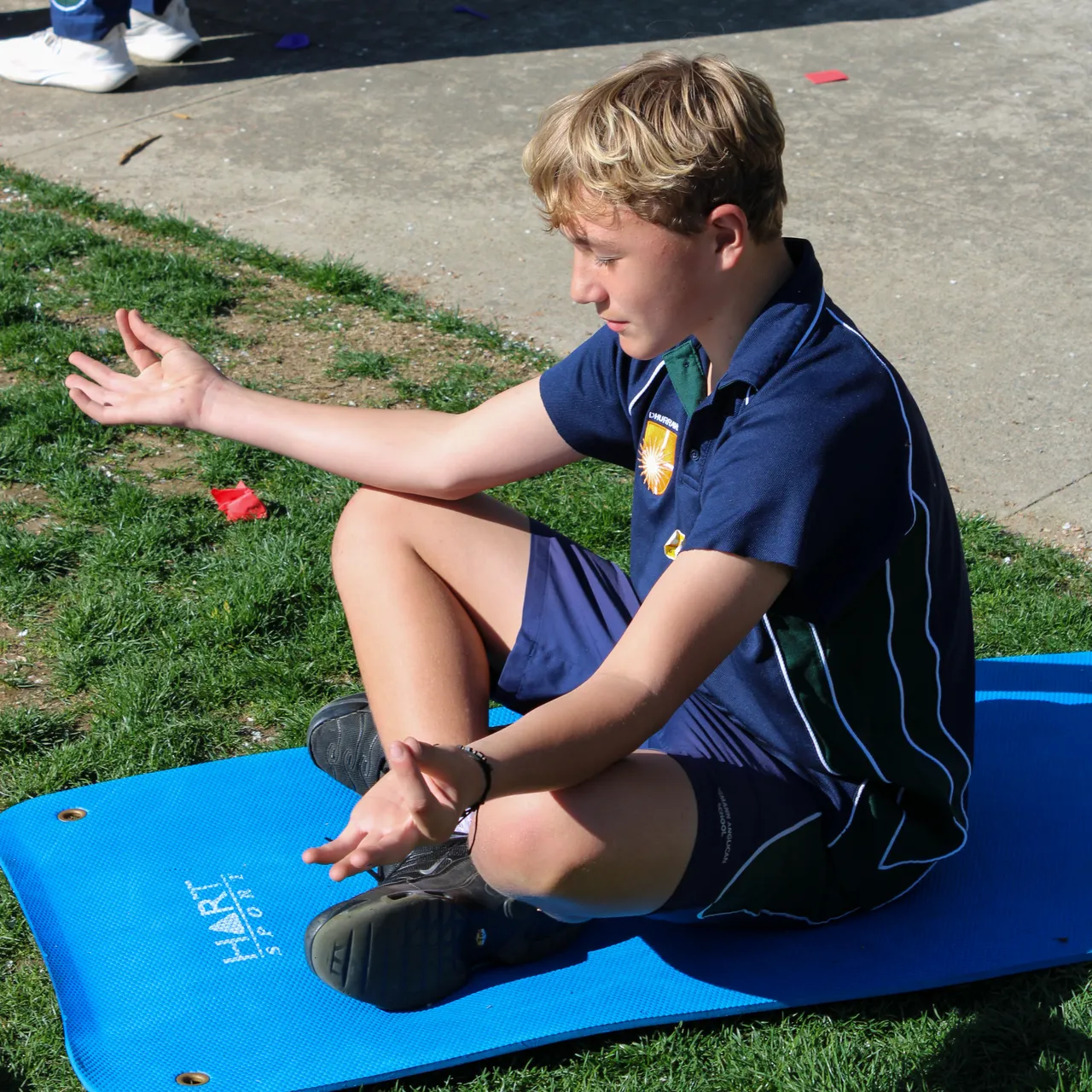
In this fortnight’s Leadership Reflection, Principal Leonie Harwood considers why rest and recovery matter most when life is at its busiest, and how intentional routines of recovery can help us sustain focus, energy and performance over time.
This week is arguably the busiest week in our School’s calendar. Between two major swimming carnivals and our Foundation Day celebration, our Year 12s will have their final classes and start their exams, our teachers will present at Celebrating Excellence in Education and four of our students will receive their Gold Duke of Edinburgh Awards at Government House.
Those are just the standout events in a week that, as always, is packed with wonderful learning experiences and exceptional care.
In such a busy week, it seems absurd to be reflecting on rest and recovery. Our students have picked up on the buzz language and are “locking in”, “hitting the grind” and are “in the zone”. Like the adults around them, they recognise that our culture celebrates this high level of focus that helps drive success.
But it is not only my routines of focus and commitment that will ensure my success this week. It is actually my routines of recovery that will help me be my best self.
In my youth, I enjoyed playing sport and was blessed with success with minimal recovery required between sessions. Oh, I long for the days when I could walk off a hockey field without needing to stretch, ice, strap and hobble for a few days. In my fifties, some days I need to stretch and ice just from sitting at my desk for too long.
We can all learn from athletes who not only train hard and strive for excellence, but also build habits of intentional recovery into their routines. Recovery can involve a range of activities that help our bodies and minds respond to the pace of life.
Students, like athletes, need more than rest to recover. They need planned time to pursue hobbies, to be creative, to socialise, to be silent, to breathe and to exercise.
An athlete’s recovery after a big event does not always involve stopping completely. They lighten the load, with intention.
That intention gives us permission to change the focus. Like the adults around them, many students can develop a belief that they must always be studying or practising at 100 per cent. They are immersed in a culture that encourages them to give their all.
Certainly, there are times when giving our all is important. However, to be able to do this successfully, we need to have allowed ourselves time to recover, restore and rest.
My daughter is currently preparing to complete her first triathlon. She has a plan and she is following it carefully. Some days she trains hard, others she trains lightly and others she has a recovery day.
Our plans also need to be able to adapt. This morning, I sat at the edge of the pool and counted the laps for her. Normally I swim with her, but I am recovering from a cold and not yet ready to swim. So I gave moral support and accepted the need for recovery.
I am not very good at resting. I enjoy the energy and pace of schools. However, I am learning that I need intentional recovery to sustain the pace required.
Perhaps this is one of the most important lessons I can impart to our students. We all need to develop routines of recovery.
Recovery includes rest, but it includes much more.
My recovery plan includes laughter and silence, sunshine and darkness, nutrition and prayer, movement and stillness.
Leonie Harwood | Principal

A Co-educational Independent School located in Gungahlin, ACT.
We acknowledge the Ngunnawal peoples as the traditional keepers on the land on which we gather. We recognise and honour their wisdom and education traditions. We commit ourselves to actively working towards reconciliation, stepping forward with grace, commitment and wisdom on this journey.